Eastern and Southern Africa tourism hit 60 million arrivals in 2025, but flights and visas hold it back
Zuri Editorial · Uganda
17 Nov 2026 · 4 min read
Eastern and Southern Africa received about 60 million international tourist arrivals in 2025, more than half of Africa's total, according to figures presented at a regional meeting in Windhoek that closed on 13 November. Yet officials, airline representatives and tourism leaders at the gathering agreed that expensive travel, cumbersome visa rules and thin air connectivity are still stopping the region's tourism from reaching its potential, and they urged governments to move from talking about reform to implementing it.
The numbers behind the region's tourism
The figures were presented by Geoffrey Manyara, an Economic Affairs Officer at the UN Economic Commission for Africa (ECA), at a joint session of the Intergovernmental Committee of Senior Officials and Experts, a four-day meeting reported by The Economist in Namibia. Travel And Tour World reported that the meeting programme ran from 10 to 13 November and drew delegates from 25 countries.
According to the ECA estimates, tourism receipts in Eastern and Southern Africa reached about US$26 billion in 2025. The sector's contribution to GDP in the region was about US$102 billion, roughly 45 percent of Africa's tourism GDP, and the region accounted for about 26 percent of tourism-related employment on the continent. Capital investment in tourism reached about US$14 billion, around 38 percent of Africa's total.
The wider trend is still upward. Travel And Tour World, citing the meeting papers, reported that international arrivals across Africa rose 4 percent in the first half of 2026 compared with the same period of 2025.
One in five city pairs
The sharpest statistic came from aviation. Maureen Kahonge, Director of Commercial and Communications at the African Airlines Association, told the meeting that only one in five city pairs in Africa has a direct daily flight, The Economist reported. She argued that more passengers will move between destinations once intra-African connectivity improves and travel costs fall.
Cost is a recurring complaint. Travel And Tour World cited an April 2026 aviation assessment that put taxes and charges on African air travel at about 15 percent above the global average. Those charges feed directly into fares, which is why a short regional hop can cost as much as a long-haul ticket.
Visas are still a barrier
Visa policy has moved in both directions. Travel And Tour World reported that, according to a 2025 report on African visa openness, advance visas were required in 51.1 percent of intra-African travel scenarios, up from 47.1 percent in 2024, while visa-free entry applied in 28.2 percent. On the positive side, electronic visa systems were operating in 31 African countries, up from 26 a year earlier.
For travellers, the trend towards e-visas and electronic travel authorisations is visible across the region, from Kenya's eTA to South Africa's planned electronic travel authorisation, both of which Zuri has covered recently.
Calls for action, not more policy papers
Kwakye Donkor, Chief Executive of African Tourism Partners, described tourism as one of the few sectors able to create large-scale employment and economic opportunity, and called for greater investment and political commitment. Charmaine Matheus, Chief of Marketing at the Namibia Tourism Board, said Africa should build on its distinct identity and diversity to stand out, and pointed to cultural, sports and creative-industry tourism as growth areas.
Participants agreed that simpler visa regimes, implementing the Single African Air Transport Market (SAATM), better transport infrastructure and closer co-operation between tourism and aviation could all increase tourism flows. They called on governments to turn those commitments into action.
Travel And Tour World noted that the meeting did not announce any continent-wide visa exemption, any change to passports or any new airline route, and set no implementation deadline. The outcome is a shared diagnosis rather than an immediate change for travellers.
Where Uganda fits
Uganda sits squarely in this story. Uganda Airlines has been using SAATM traffic rights to expand across the continent, and its new daily service between Entebbe and Kigali is a small example of the direct links the meeting wants to see multiplied. See our reports on Uganda Airlines' SAATM traffic rights and its Entebbe–Kigali flights, and our East Africa tourist visa guide for how the single visa for Uganda, Kenya and Rwanda works.
What it means for travellers
In the short term, nothing changes at the border or the check-in desk. Multi-country trips in Eastern and Southern Africa still usually mean routing through a few big hubs, budgeting for regional fares that are high for the distance, and checking visa or eTA rules for each country separately. When planning a combined itinerary, apply for e-visas through official government portals only, allow extra time for connections, and price regional flights early. The direction of travel is towards easier movement, but the meeting in Windhoek made clear that implementation is still the missing piece.
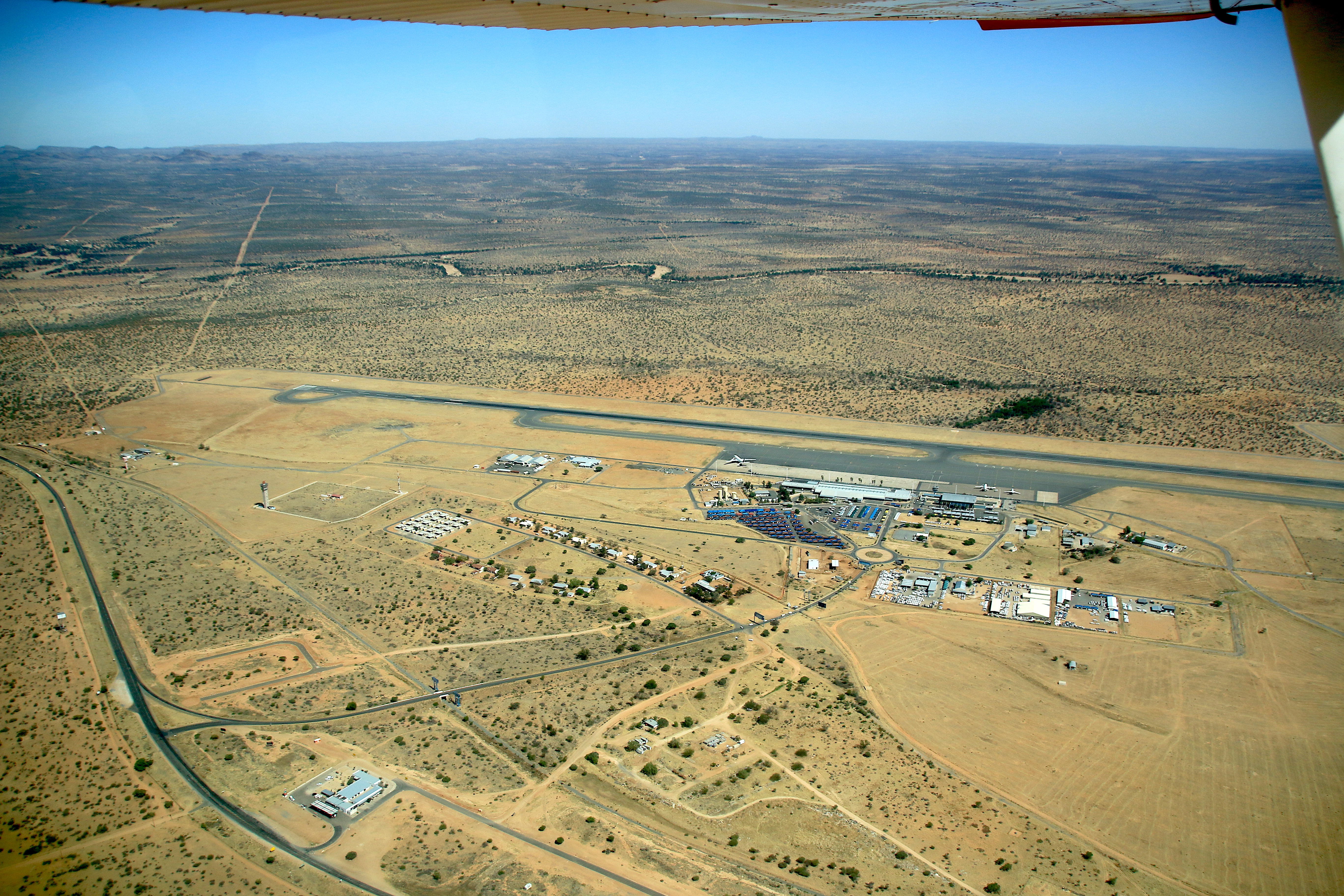
Photo: Hp.Baumeler / Wikimedia Commons (CC BY-SA 4.0).